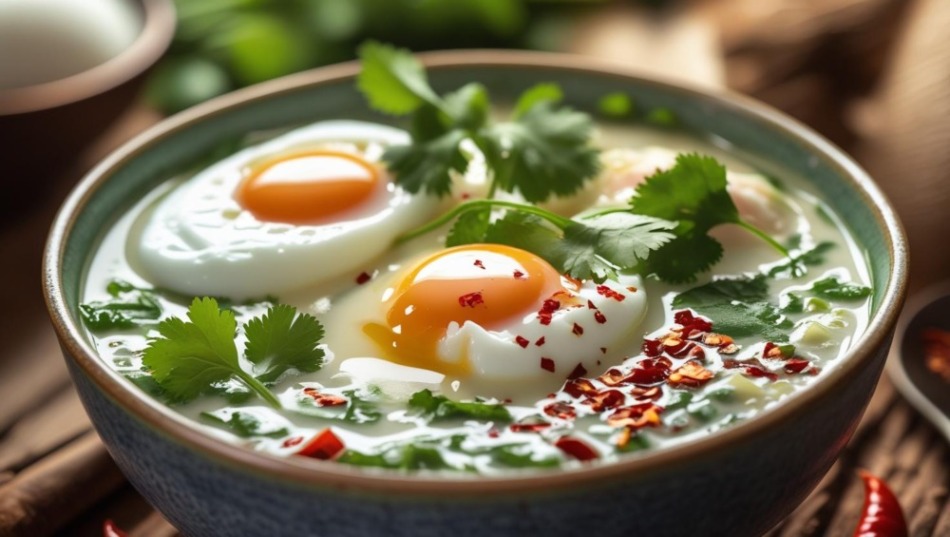
【Thai Countryside Home】Mango in hand, feeling the Isaan breeze: Chan Mon delivers a tapestry of authentic Thai cuisine 🍛What is Khai Phalo Nam Kati? (ไข่พะโล้น้ำกะทิ) ~The unexpected dark horse of Thai cuisine~
読了時間 3分
Have you ever heard of “Kai Pa Lo" (ไข่พะโล้)?
In Japanese, it’s sometimes translated as “Five-Spice Braised Eggs" or “Thai-style Braised Eggs." It’s a classic street food dish in Thailand—sweet, savory, with a hint of Chinese spice, and perfect with rice.
But! What we’re introducing today isn’t just your regular Kai Pa Lo.
Introducing: “Kai Pa Lo Nam Kati" (ไข่พะโล้น้ำกะทิ).
…Huh? Nam Kati? That means… coconut milk!?
That’s right—this is Kai Pa Lo with coconut milk!
“Eggs and pork braised in coconut milk? Isn’t that super sweet and rich?"
Hold on! This dish is actually a hidden gem from Southern Thailand. With a subtle sweetness and toasty aroma, it’s a little-known yet delicious regional specialty.
🐷 The Marriage of Coconut and Five-Spice
Kai Pa Lo is believed to have been brought to Thailand by Chinese immigrants, and is known for the aroma of five-spice powder, including star anise and cinnamon. It’s like a cross between Japanese oden and Chinese luwei.
Now add the tropical spirit of coconut milk to that,
and you get a dish bursting with Thai character!
In Southern Thailand, people tend to prefer sweeter flavors,
and “Kai Pa Lo Nam Kati” is a perfect representation of that.
It may look heavy, but it’s surprisingly light and smooth.
Great over rice or noodles.
Tastes just as good cold—a true Thai comfort food.
🧑🍳 Let’s Cook! Kai Pa Lo Nam Kati Recipe
Here’s how to make it!
【Ingredients (Serves 2–3)】
Boiled eggs – 4
Pork belly – 200g (cubed)
Garlic – 3 cloves (crushed)
Light soy sauce (See Ew Khao) – 2 tbsp
Dark soy sauce (See Ew Dam) – 1 tbsp
Palm sugar (or brown sugar) – 2 tbsp
Five-spice powder – 1 tsp (preferably with star anise)
Coconut milk – 300ml
Water – 300ml
Salt – a pinch
Fried garlic – optional
【Instructions】
① Sauté the pork belly
Heat a little oil in a pot, then fry the crushed garlic and pork belly. Cook until lightly browned.
② Caramelize with sugar!
Add palm sugar and stir until it melts and turns golden brown.
This step adds depth and aroma!
③ Add seasonings & five-spice powder
Add both soy sauces, salt, and five-spice powder. Lightly stir until fragrant.
④ Add coconut milk + water
Pour in the coconut milk and water, and bring to a gentle boil. Skim off any foam.
⑤ Add eggs & simmer
Gently add peeled boiled eggs. Simmer on low heat for 30 minutes to 1 hour.
For even better flavor, let it cool and reheat before serving.
⑥ Finish with fried garlic (if available)
Adds extra aroma and gives it that street-food taste!
🍚 Recommended Ways to Eat
Pour generously over jasmine rice
Use as soup for noodles like sen lek or ba mee
Add a soft-boiled egg for extra gooey yolk
Top with pickled chili for a tangy kick
🤔 A Bit Niche, But Addictive!
“Kai Pa Lo Nam Kati" is one of those “hidden gem” dishes among Thai food lovers.
First-timers may be shocked—“Is this a dessert?!”—but
by the second try, you’ll be hooked and craving more (seriously!)
In Southern Thailand, this dish is just part of everyday home cooking.
Loved by kids and grandparents alike.
“Comfort food” is often sweet, gentle, and just a little quirky—maybe that’s what makes it so endearing.
Tensui
🐘 A Final Note
“Kai Pa Lo Nam Kati" is still relatively unknown in Japan.
But as long as you can get your hands on coconut milk, it’s actually easy to make!
If you’re a fan of Thai food or looking for something new, give it a try!
“Wait, pork belly and eggs braised like a dessert?!"
That surprise might just bring a fresh breeze of Thailand to your dining table!