
【From a Small House in Rural Thailand】 Japanese Cooking in Thailand: Katsudon
【From a Small House in Rural Thailand】
Japanese Cooking in Thailand: Katsudon
Experience the authentic taste of Japan in the heart of rural Thailand. Discover how to create the perfect katsudon using local ingredients and traditional techniques.
Welcome to My Thai Kitchen
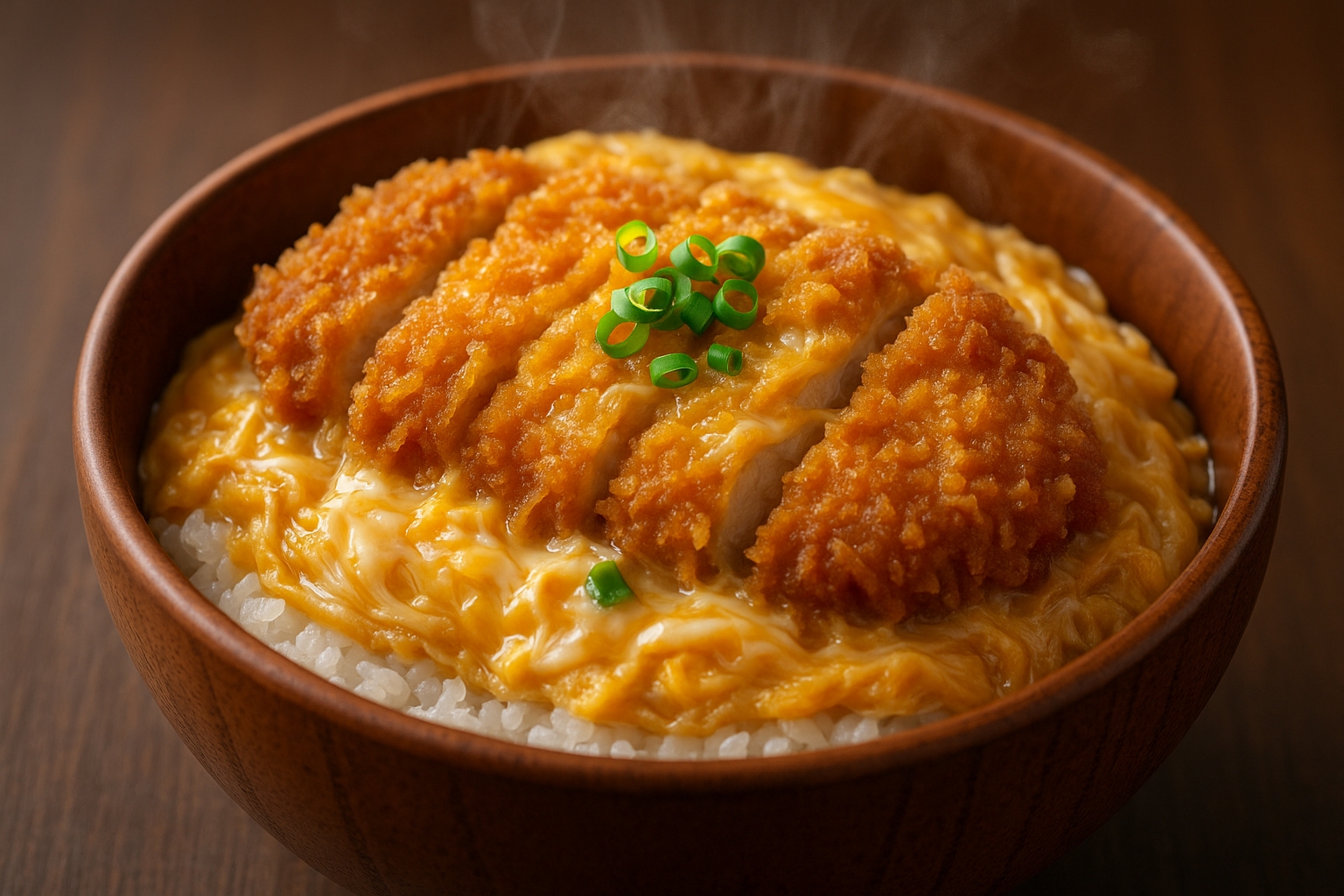
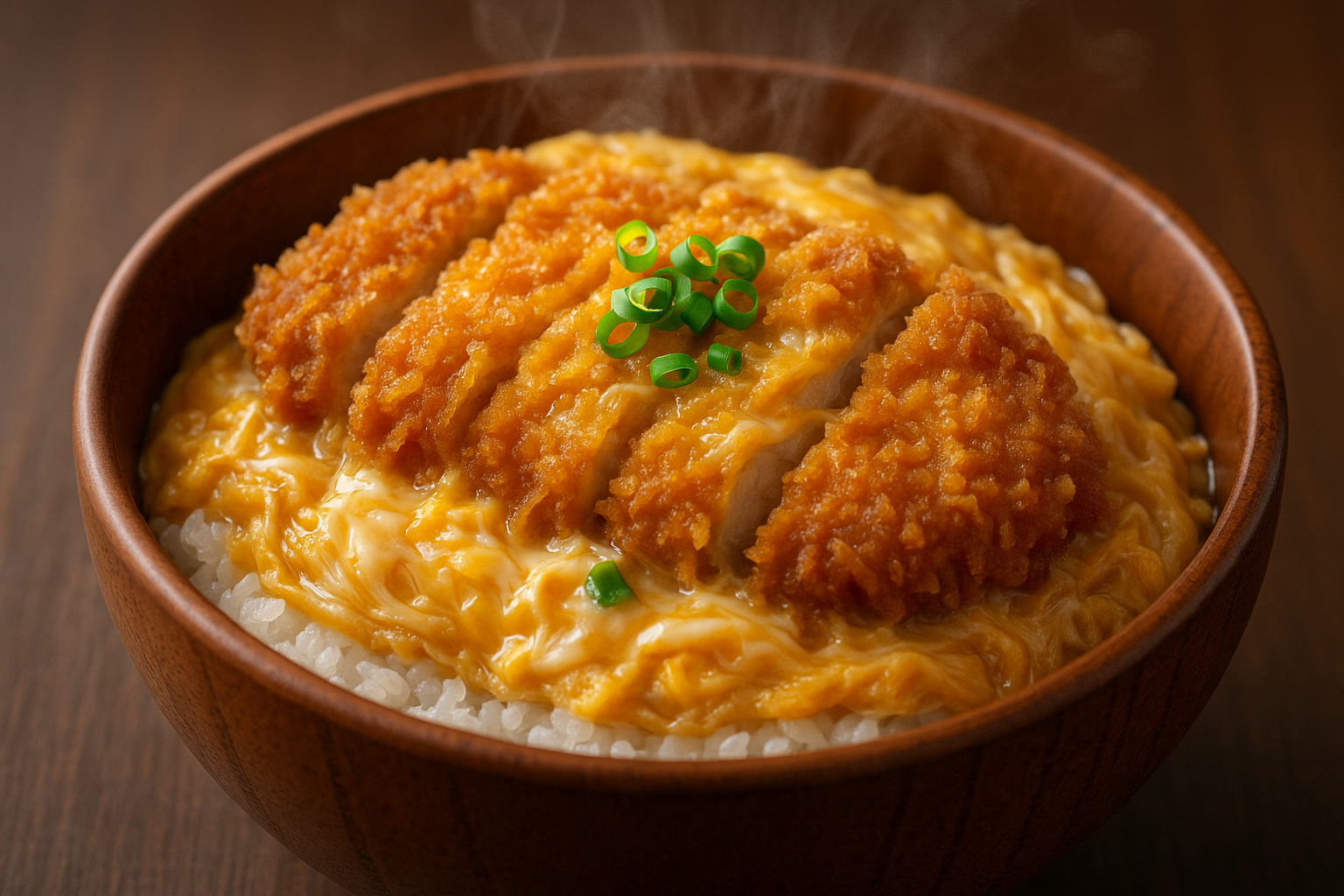
Greetings from my small kitchen in rural Thailand! There’s something magical about cooking Japanese food in a place where the air smells of jasmine and the sound of cicadas fills the evening. Today, I want to share with you one of my favorite comfort foods: katsudon – a hearty bowl of rice topped with crispy pork cutlet simmered in a savory-sweet sauce with fluffy eggs.
Living in Thailand has taught me that great food transcends borders. While authentic Japanese ingredients might be harder to find in rural areas, the spirit of Japanese cooking – the attention to detail, the balance of flavors, and the warmth of home-cooked meals – can be recreated anywhere with a little creativity and passion.
The Midnight Diner Inspiration
If you’ve ever watched “Shinya Shokudo" (深夜食堂) or “Midnight Diner," you’ll understand the soul-warming power of katsudon. There’s an episode where a father and son share this exact dish, and it perfectly captures what makes katsudon so special – it’s not just food, it’s comfort, memory, and love served in a bowl.
The beauty of katsudon lies in its simplicity and the way it brings people together. In the show, the Master never judges what his customers order – he simply prepares their food with care and lets the flavors speak for themselves.
“Everyone loves katsudon" – A glimpse into the heartwarming world of Midnight Diner
The Perfect Katsudon
What Makes Katsudon Special?
Crispy Tonkatsu: Golden, crunchy pork cutlet that stays crispy even when simmered
Fluffy Eggs: Partially cooked eggs that create a creamy, custard-like texture
Savory-Sweet Sauce: The perfect balance of dashi, soy sauce, and mirin
Perfect Rice: Steamed Japanese rice that absorbs all the delicious flavors
Thai Kitchen Adaptations
Pro Tip: Living in rural Thailand, I’ve learned to adapt this recipe using local ingredients:
- • Thai jasmine rice works beautifully
- • Local pork from the market is incredibly fresh
- • Fish sauce can substitute for some dashi
- • Palm sugar adds authentic sweetness
Complete Katsudon Recipe
Serves 2 people • Prep time: 30 minutes • Cook time: 20 minutes
Ingredients
For the Tonkatsu:
- Pork loin or tenderloin
2 pieces (150g each) - All-purpose flour
1/2 cup - Eggs (beaten)
2 large - Panko breadcrumbs
2 cups - Vegetable oil for frying
Enough for deep frying - Salt and pepper
To taste
For the Katsudon:
- Cooked Japanese rice
2 bowls - Onion (sliced)
1 medium - Eggs
4 large - Dashi stock
1 cup - Soy sauce
3 tablespoons - Mirin
2 tablespoons - Sugar
1 tablespoon - Green onions (chopped)
2 stalks
Thai Kitchen Substitutions
Dashi stock: Mix chicken stock + a little fish sauce + dried mushrooms
Mirin: Rice wine + palm sugar (or regular sugar)
Panko: Regular breadcrumbs work, but crush them lightly for texture
Japanese rice: Thai jasmine rice is perfectly fine
Pork loin: Any tender cut from local market
Green onions: Thai spring onions (ต้นหอม)
Step-by-Step Instructions
Prepare the Tonkatsu
Pound the pork pieces to about 1/2 inch thickness. Season with salt and pepper. Set up your breading station: flour in one dish, beaten eggs in another, and panko in a third. Coat each piece first in flour, then egg, then panko, pressing gently to adhere.
Fry the Tonkatsu
Heat oil to 340°F (170°C). Fry the pork cutlets for 3-4 minutes per side until golden brown and crispy. The internal temperature should reach 145°F (63°C). Remove and drain on paper towels. Let rest for 5 minutes, then slice into strips.
Prepare the Sauce
In a small saucepan, combine dashi stock, soy sauce, mirin, and sugar. Bring to a simmer and stir until sugar dissolves. Taste and adjust seasoning. The sauce should be savory with a hint of sweetness.
Cook the Onions
In a large skillet or shallow pan, add half of the prepared sauce and bring to a simmer. Add the sliced onions and cook for 2-3 minutes until softened. The onions should be tender but still have some bite.
Add the Tonkatsu
Place the sliced tonkatsu over the onions in the pan. Pour the remaining sauce over the top. The sauce should cover about 2/3 of the cutlet. Bring to a gentle simmer.
The Magic of Eggs
Beat the eggs lightly – you want them mixed but not completely homogeneous. Pour the eggs over the tonkatsu in a circular motion. Cover and cook for 1-2 minutes until the eggs are just set but still slightly runny on top. This is the key to perfect katsudon!
Serve Immediately
Carefully slide the katsudon over hot steamed rice in individual bowls. Garnish with chopped green onions. The residual heat will finish cooking the eggs to creamy perfection. Serve immediately while hot.
Thai Kitchen Wisdom
Climate Considerations
In Thailand’s humid climate, keep your panko breadcrumbs in an airtight container with silica gel packets to maintain crispiness. Fry outdoors when possible to avoid overheating your kitchen.
Local Ingredients
Visit your local wet market early in the morning for the freshest pork. Thai pork is often leaner than Western cuts, so don’t overcook it. The eggs from free-range chickens here are incredibly flavorful.
Cooking Equipment
A wok works perfectly for deep frying tonkatsu. Use a small saucepan for individual portions of katsudon – it helps control the egg cooking process better than a large pan.
Bridging Cultures Through Food
There’s something beautiful about preparing Japanese cuisine in rural Thailand. The careful attention to technique that Japanese cooking demands meets the abundance of fresh ingredients that Thailand provides. My Thai neighbors are always curious about the aromas coming from my kitchen, and I’ve had the joy of sharing katsudon with many local friends.
The first time I made katsudon for my Thai family, they were amazed by the concept of “comfort food" that isn’t spicy. But after one bite of that perfect combination of crispy pork, fluffy eggs, and savory sauce over rice, they understood completely. Good food speaks a universal language.
Now, whenever someone in the village has had a hard day, they know they can come to my little kitchen for a bowl of katsudon and a listening ear. Just like in Midnight Diner, food has the power to heal, comfort, and connect us all.
What My Thai Friends Say
“อร่อยมากเลย! ไม่เผ็ดแต่อร่อย เหมือนอาหารของแม่"
“So delicious! Not spicy but tasty, like mother’s cooking"
From My Kitchen to Yours
Whether you’re cooking in a bustling city apartment or a quiet rural kitchen like mine, katsudon is more than just a meal – it’s a warm hug in a bowl. Take your time with each step, taste as you go, and don’t be afraid to adapt the recipe to your local ingredients and preferences.
Remember, the best katsudon is made with love, patience, and perhaps a touch of nostalgia for simpler times. As they say in Midnight Diner, “When people have nowhere else to go, they come here." May your kitchen be that place of comfort for those you love.
Happy cooking, and may your katsudon bring as much joy to your table as it does to mine!