
【From a Small House in Rural Thailand】 Japanese Cuisine in Thailand – Aji no Hiraki
【From a Small House in Rural Thailand】
Japanese Cuisine in Thailand – Aji no Hiraki
December 2024
8 min read
Japanese Cuisine, Thai Kitchen, Aji no Hiraki
Hello everyone! I’m writing this from my cozy little kitchen in rural northern Thailand, where the roosters wake me up at dawn and my nearest neighbor is a water buffalo named Som-tam (yes, after the salad!). You might wonder how someone ended up making authentic Japanese cuisine in the middle of Thai rice fields, but that’s exactly the adventure I want to share with you today.
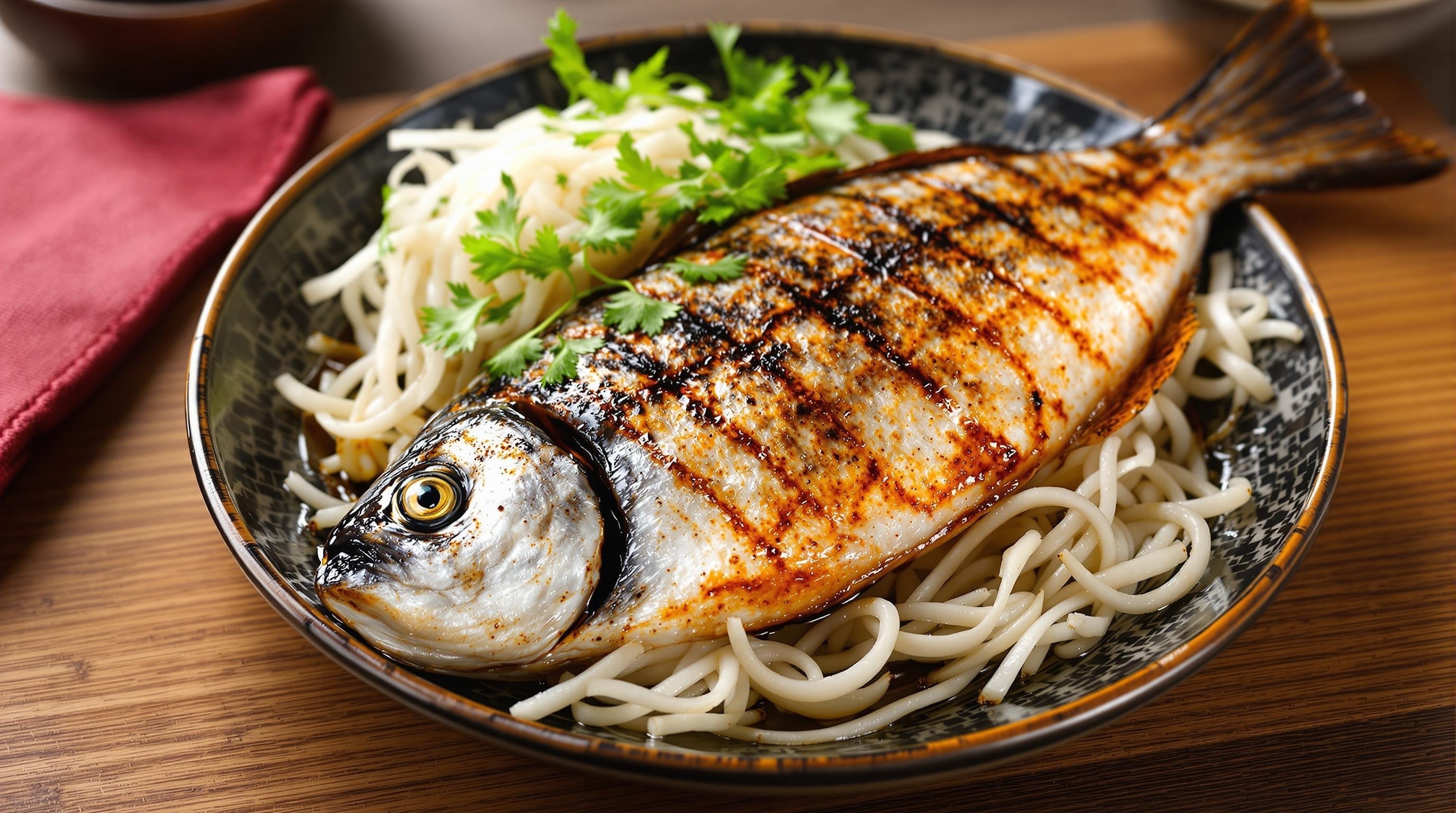
Living in Thailand for the past three years has been incredible, but sometimes you just crave the comfort of home-cooked Japanese food. Today, I’m going to show you how I make one of my absolute favorite dishes: Aji no Hiraki (アジの開き) – grilled horse mackerel that’s been butterflied and dried to perfection. It’s simple, it’s delicious, and surprisingly, you can make it even in a tiny Thai kitchen with limited resources!
What is Aji no Hiraki? The Soul of Japanese Breakfast
If you’ve ever watched Japanese dramas or visited Japan, you’ve probably seen this beautiful golden-brown fish elegantly presented on a breakfast table. Aji no Hiraki is essentially horse mackerel that’s been butterflied open (hiraki means “opened" in Japanese), lightly salted, and then grilled to perfection. It’s one of those dishes that represents the heart of Japanese home cooking – simple ingredients, meticulous preparation, and incredible flavor.
The magic lies in the preparation. The fish is cleaned, carefully opened while keeping it in one piece, then lightly salted and sometimes air-dried. When grilled, it develops this amazing crispy skin while the flesh remains tender and flaky. Served with a mound of grated daikon radish and a squeeze of lemon, it’s pure heaven!
Learn the Traditional Opening Technique
Traditional method of opening horse mackerel – this technique has been used for generations!
The Thai Kitchen Challenge
Now, let me be real with you – making Japanese food in rural Thailand comes with its unique challenges. The humidity here could rival a sauna, finding proper Japanese ingredients requires a treasure hunt that would make Indiana Jones jealous, and my tiny kitchen doesn’t have a proper fish grill. But you know what? That’s what makes it fun!
Thai Kitchen Adaptations:
- • Use a regular frying pan instead of a fish grill
- • Local lime works perfectly as a lemon substitute
- • Fresh horse mackerel from local markets is surprisingly excellent
- • Ceiling fan helps with the drying process (seriously!)
The Complete Aji no Hiraki Recipe
Ingredients (Serves 2)
- 2 fresh horse mackerel (aji), about 20-25cm each
- 2 tablespoons coarse sea salt
- 1 large daikon radish (for grating)
- 1 lime (or lemon)
- A touch of vegetable oil for pan
- Steamed rice for serving
Equipment Needed
-
- Sharp filleting knife
- Cutting board
- Non-stick frying pan
- Paper towels
- Grater (for daikon)
Patience and good vibes!
Step-by-Step Instructions
Step 1: Preparing the Fish
Start by cleaning your horse mackerel thoroughly under cold running water. Remove scales by scraping from tail to head with the back of your knife. Make a shallow cut behind the gills and remove the head. Here’s where it gets interesting – you’ll make a cut along the belly, but instead of cutting all the way through, you’ll butterfly the fish open while keeping it in one piece. Think of it like opening a book!
Step 2: The Sacred Salting Process
This is crucial! Gently pat the opened fish dry with paper towels, then generously sprinkle coarse sea salt all over both sides, paying special attention to the thicker parts. The salt draws out moisture and begins the curing process. Let it sit for 30-45 minutes. In Thailand’s humidity, I sometimes place the fish under a ceiling fan to help with air circulation.
Step 3: The Rinse and Dry
After the salting time, rinse the fish gently under cold water to remove excess salt. Pat completely dry with paper towels – this is super important for getting that perfect crispy skin! If you have time, let it air dry for another 15-20 minutes.
Step 4: The Perfect Pan-Grilling
Heat your non-stick pan over medium-low heat with just a tiny bit of oil. Place the fish skin-side down first. This is where patience pays off – don’t flip too early! Cook for about 4-5 minutes until the skin is golden and crispy. Flip gently and cook the flesh side for another 3-4 minutes. The fish should flake easily when done.
Perfect Pan-Grilling Technique
Professional tips for grilling fish in a regular frying pan – no special equipment needed!
Pro Tips from My Thai Kitchen
Temperature Control
Keep the heat medium-low. High heat will burn the outside while leaving the inside raw. Think slow and steady!
The Flip Test
The fish will naturally release from the pan when the skin is properly crispy. If it sticks, give it another minute!
Humidity Hack
In Thailand’s humidity, I use my ceiling fan during the drying process. It really helps achieve that perfect texture!
Local Substitutions
Thai lime works beautifully instead of Japanese sudachi. The local fish markets often have excellent horse mackerel!
Serving and Presentation
The presentation of Aji no Hiraki is almost as important as the cooking itself. I serve mine on a simple white plate with a generous mound of freshly grated daikon radish on the side. The daikon acts as a palate cleanser and helps cut through the richness of the fish. A few drops of fresh lime juice over everything, and you’ve got a meal that would make any Japanese grandmother proud!
Don’t forget the steamed rice – it’s essential! The combination of the crispy, salty fish with the cool, refreshing daikon and warm rice is absolutely perfect. Sometimes I’ll add a small dish of soy sauce for dipping, though the fish is usually seasoned perfectly on its own.
Midnight Diner Style: Summer Aji Rice
Inspired by the famous Japanese drama “Midnight Diner" – a perfect summer variation of aji dishes!
Why Horse Mackerel is Amazing for You
Beyond being absolutely delicious, horse mackerel is incredibly nutritious. It’s packed with omega-3 fatty acids, which are fantastic for heart health and brain function. It’s also a great source of high-quality protein, vitamin B12, and selenium. Living in Thailand, where the climate can be quite draining, I find that the rich nutrients in this fish really help keep my energy levels up.
Health Benefits at a Glance
Heart Healthy
Rich in omega-3s
Brain Food
B12 and DHA
Protein Power
Complete amino acids
My Aji no Hiraki Journey
I’ll be honest – my first attempt at making Aji no Hiraki in Thailand was a disaster. I underestimated the humidity, over-salted the fish, and ended up with something that looked more like fish jerky than the beautiful golden fish I remembered from Japan. But failure is the best teacher, right?
After many trials (and a few more errors), I finally nailed the technique. The breakthrough came when I realized I needed to adapt the traditional methods to my environment. Using the ceiling fan for drying, adjusting for the humidity, and finding the right local ingredients – it all came together beautifully.
Now, every time I make Aji no Hiraki, it brings back memories of Japanese breakfasts while creating new ones in my cozy Thai kitchen. There’s something magical about bridging cultures through food, and this dish does exactly that.
Storage Tips and Delicious Variations
If you make extra fish (which I highly recommend), you can store the prepared Aji no Hiraki in the refrigerator for up to 2 days before cooking. Just wrap it in paper towels and keep it in a sealed container. In Thailand’s climate, I don’t recommend storing it longer than that.
Tasty Variations to Try
- Miso Glaze: Brush with a mixture of miso paste and mirin before grilling for extra umami
- Herb Crust: Add finely chopped Thai herbs like cilantro and mint to the salt cure
- Spicy Version: Add a touch of finely ground Thai chili to the salt mixture
- Teriyaki Style: Brush with homemade teriyaki sauce in the last minute of cooking
Final Thoughts from My Little Thai Kitchen
Making authentic Japanese cuisine in rural Thailand has taught me that food is a universal language. It doesn’t matter if you’re in a tiny kitchen surrounded by rice paddies or a modern Tokyo apartment – good food made with love always tastes amazing.
Aji no Hiraki might seem intimidating at first, especially if you’re not used to working with whole fish, but I promise it’s worth the effort. The satisfaction of successfully preparing this traditional dish, the incredible aroma filling your kitchen, and that first bite of perfectly grilled fish – it’s pure magic.
I hope this recipe brings a little piece of Japan to your own kitchen, wherever in the world you might be. And if you’re ever in northern Thailand and smell something delicious wafting from a small house surrounded by rice fields, that might just be me making another batch of Aji no Hiraki!
Happy cooking from Thailand!
Share your Aji no Hiraki adventures in the comments below!
#ThaiKitchen
#AjiNoHiraki
#FishRecipes
#HomeCoking
#ExpatLife
You Might Also Enjoy
Perfect Sashimi at Home
Learn to prepare restaurant-quality sashimi in your own kitchen
Thai-Japanese Fusion Rice
Combining the best of both culinary worlds
Miso Soup with Thai Herbs
A unique twist on the classic Japanese soup